
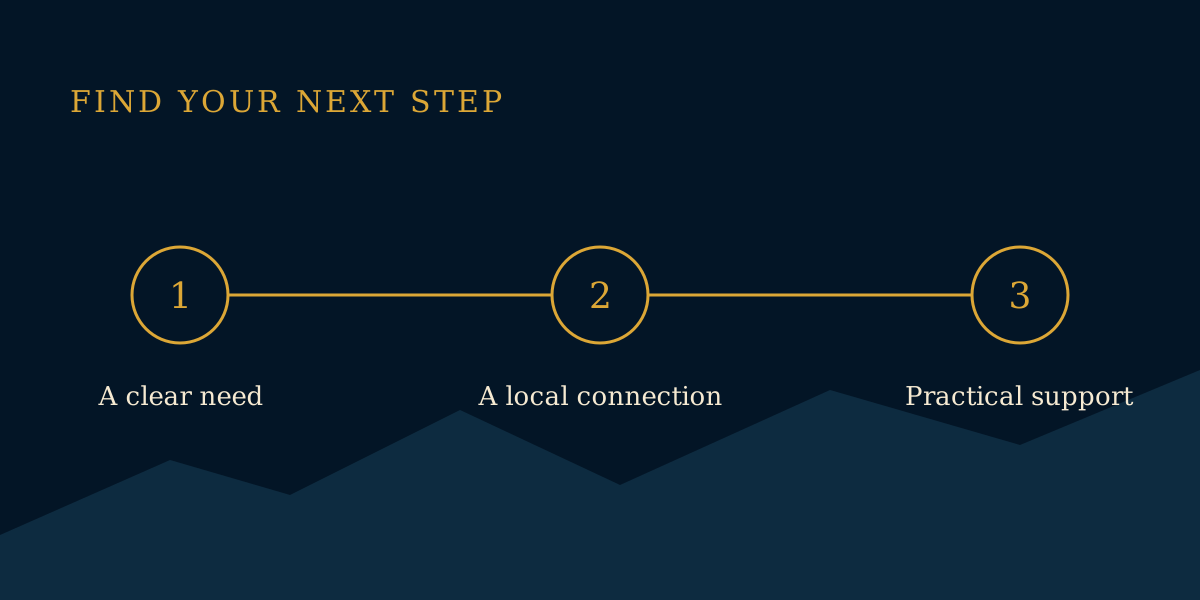
Finding local support should not require knowing every agency name or understanding every benefit rule. For Arizona veterans and their families, the most useful starting point is usually a specific need: a safe place to stay, food for the week, help getting to an appointment, work, or someone who can explain a benefits question. Once that need is clear, it becomes easier to choose the right organization and ask for a concrete next step.
This guide explains how to move from searching to making contact. You can use it for yourself or alongside a family member. Start with the most urgent problem, keep a short record of the conversations, and confirm requirements directly with the service provider. A listing is a starting point, not a promise of funding, an appointment, or eligibility.
1. Identify what needs attention first
Before opening several websites, write down what would make the biggest difference today. “I need help” is understandable, but “I need food this week in my ZIP code” gives a resource navigator something they can act on. If several problems overlap, put them in order of urgency. Losing a place to sleep tonight needs a different response from planning a job change next month.
Include your county or ZIP code, any deadline, and the main barrier. That barrier might be a lack of transportation, a disconnected phone, difficulty completing an online application, or a service that is too far away. You do not need a complete account of your military history to begin a resource search. A short description of the immediate need is enough to ask where to start.
For immediate danger or a medical emergency, call 911. For crisis support, the Veterans Crisis Line is available by calling 988 and pressing 1, texting 838255, or using its online chat. You do not need to be enrolled in VA benefits or health care to contact it. Do not wait for a directory inquiry when immediate support is needed.
2. Search by need, then narrow the location
Use the Arizona veteran resource directory to find starting points for housing, mental health, employment, and benefits. Choose the category closest to your main concern before comparing organizations. An organization that handles benefits paperwork may be useful later, but it may not be the right first call when you need groceries or somewhere to stay today.
Then check resources by county for the coverage areas currently listed. Treat these pages as a starting point rather than a complete inventory of every service in Arizona. If your county does not have a useful match, widen the search to statewide services and ask a resource navigator about organizations serving your ZIP code. Do not assume a nearby office serves your address simply because it is close.
Read the listing before calling. Note what the organization actually offers, who it serves, and the contact method. Save two or three plausible options instead of collecting a long list of names. A small, relevant shortlist is easier to follow through on, especially when you are already managing paperwork, work, care responsibilities, or an urgent household problem.

3. Use a navigator when the next step is unclear
You do not have to decide which agency is responsible on your own. The Arizona Department of Veterans’ Services points veterans, service members, and families to Be Connected at 866-429-8387. It is a useful starting point when you need help identifying a resource rather than applying to a particular program you already know.
For broader household needs, 211 Arizona connects people with local services, including food, housing, utilities, employment, and veteran resources. Its live phone service operates from 9 a.m. to 7 p.m. daily, with English and Spanish assistance and interpreters for other languages. Check its website for current service details. General community programs may be relevant alongside veteran-specific organizations.
When speaking with a navigator, explain the need, location, and deadline first. Ask which organization is the best initial contact and whether you need a referral. If you have already called somewhere, mention the outcome so you do not get sent back to the same starting point. Before ending the conversation, confirm the next phone number, the department to ask for, and what information to have ready.
4. Match the service to the problem
For housing, distinguish between needing somewhere safe tonight, preventing an upcoming loss of housing, and finding a longer-term rental. These are different requests. If you are a veteran experiencing homelessness or at risk of homelessness, the VA National Call Center for Homeless Veterans is available at 877-424-3838, 24 hours a day. Family members and others concerned about a veteran can also call.
For food, clothing, utilities, or transportation, describe the immediate household gap and ask about local community services as well as veteran programs. Confirm whether help is available now, whether an appointment is required, and which areas are served. If getting to an office is the obstacle, say so before accepting an appointment. Ask whether the organization can suggest a closer provider or another way to complete intake.
For employment, separate the tasks you need help with: finding openings, preparing a resume, exploring training, or getting ready for an interview. For benefits, ask for someone qualified to review your situation. The state’s Veteran Benefits Counselors provide free information and assistance on state and federal benefits for veterans, dependents, and survivors. Ask the relevant provider to confirm eligibility and application requirements for your circumstances.
5. Prepare for a useful first conversation
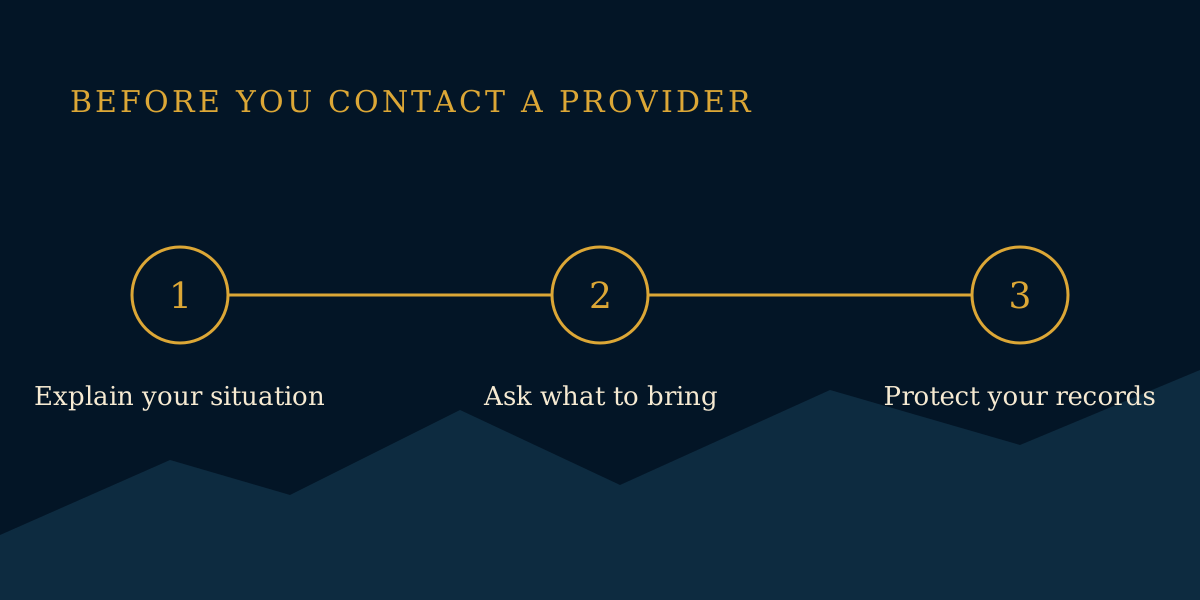
Keep your preparation simple. Have your preferred contact details, location, a short explanation of the need, and any deadline in front of you. If there is a notice or letter connected to the request, keep it nearby so you can describe what it says accurately. You can ask for information before you have collected every document a program might eventually require.
Depending on the service, an organization may request identification, proof of address, household income information, discharge paperwork, or benefit documents. Requirements vary. Ask for the actual checklist before spending time collecting records, traveling to an office, or sending sensitive information. If a document is missing, explain that and ask how to proceed. A missing record should prompt a question, not an assumption that every service is unavailable.
Protect personal information during the search. Confirm that you are using the organization’s official contact details before sending documents. Avoid posting discharge records, Social Security numbers, medical details, or benefit letters in public comments or a general resource inquiry. Ask how the provider wants to receive paperwork and share only what is needed for that step. Keep copies of what you submit for your own records.
6. Ask questions that lead to a next step
A first call is useful when it ends with a clear action. Ask whether the organization serves your location and handles the type of help you need. Then ask whether it is accepting requests, whether there are costs, and what eligibility conditions apply. A program name alone does not tell you whether a service is suitable or currently available.
Useful questions include: “Do I need a referral?” “What documents should I bring?” “Can intake happen by phone?” “How long should I expect to wait?” and “Who should I contact if I have not heard back?” If you need language assistance, an accessible appointment, or help using an online form, mention that early. Confirm those arrangements before making a trip.
Repeat the next step back in your own words. For example: “I will call the intake team tomorrow and have my address and notice ready.” Ask for the contact person’s name or department and a direct number when available. If the answer is uncertain, ask when to check again. A realistic follow-up plan is more useful than leaving with a vague instruction to keep looking.
7. Help a family member without taking over
Family members often do the first search, organize paperwork, or sit beside a veteran during a call. Start by asking what kind of help the person wants. They may welcome a shortlist of organizations but prefer to make the calls themselves. Someone else may want you to take notes, arrange transportation, or help explain the situation. Agreeing on that role makes the process more manageable.
Ask providers how family members or caregivers can participate and whether consent or authorization is needed before discussing personal records. Do not assume that being a relative gives access to benefit or medical information. You can still ask general questions about available services, locations, contact details, and application steps while the provider explains what is needed for a conversation about an individual.
Include the family’s needs in the search. A household may need food or transportation while the veteran is pursuing a benefits claim. A caregiver may need a separate referral for their own support. Eligibility for veterans, spouses, dependents, survivors, and caregivers can differ between programs. Describe who needs the service and ask which options apply rather than assuming one person’s eligibility covers everyone.
8. Keep going if the first service cannot help
A service may be outside your area, have limited capacity, or work with a different set of needs. That answer does not tell you what every other organization can offer. Ask the provider to explain the reason and suggest the most relevant alternative. A specific referral is more useful than another broad search, especially when time or transportation is limited.
Keep a brief contact log with the organization, date, department, result, and agreed follow-up. Mark whether you left a message, completed intake, need a document, or received a referral. Use one notebook or one note on your phone so the information stays together. If several family members are helping, agree who is responsible for each call to avoid duplicate requests.
If the situation changes, update the organizations you have contacted. A deadline moving closer or the loss of a safe place to stay changes what you need to ask for. Return to a navigator if the referrals are not producing a usable next step. Tell them what you have tried and what is still unresolved so the next search can be more specific.

A short checklist before your next call
- Name the main need and deadline.
- Have your county or ZIP code ready.
- Confirm the provider’s service area and current availability.
- Ask about eligibility, costs, referrals, and required documents.
- Explain transportation, language, or access needs.
- Write down the next action and when to follow up.
How the association helps you start
Veterans Alumni Association of Arizona brings resource pathways into one place for veterans and families. Use our resource directory to identify organizations and our county pages to narrow your search. The association is a guide to potential support, not the agency deciding your eligibility or delivering every listed service. The provider can confirm the current requirements and availability.
You can read about our mission and share a useful organization through Submit a resource. If you find a listing that no longer reflects a provider’s service, contact the association with the organization’s name and the detail that needs attention. Keeping pathways clear helps the next veteran or family member start with better information.
